Strategies and progression
Strategies
This page covers how to run a fleet, how to think about the company across decades, and the achievement list as the game manual states it. Official achievements are goals the game tracks. Player milestones at the end are practice targets. They are not unlocks, rewards, or hidden bonuses.
Vehicle management
A vehicle is a cost that becomes useful only while it is loading, moving, and unloading something a town or industry needs.
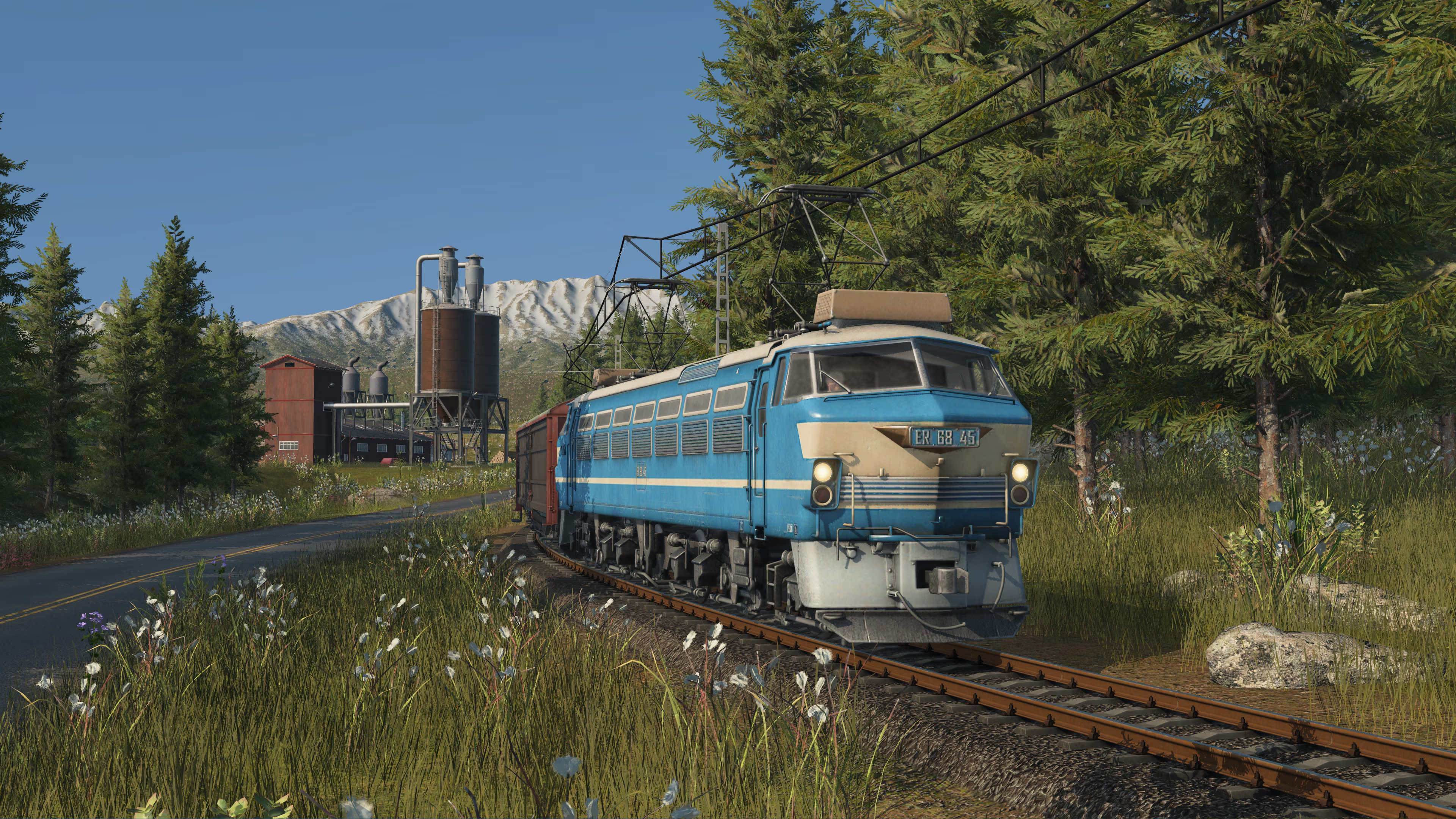
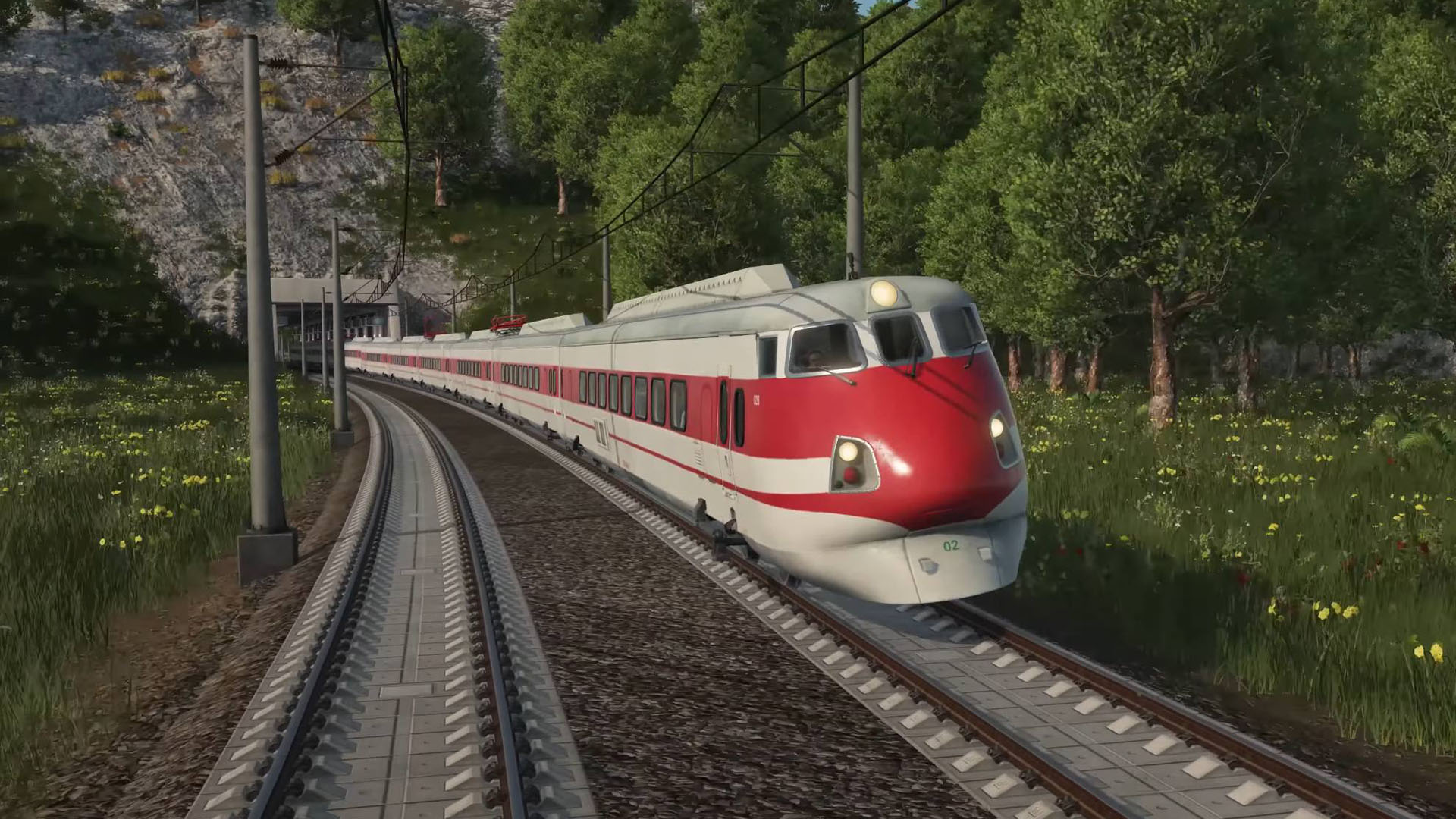
The roster spans more than 300 vehicles and more than 120 years: horse-drawn wagons, steam trains, and paddle steamers at one end, high-speed trains, large ships, jet aircraft, and helicopters at the other. Individual top speeds and capacities belong to the model in the year you are playing. This guide will not invent those numbers. The management rules stay the same while the models change.
Buy a vehicle when a stop is leaving people or cargo behind after a departure. Replace a vehicle when the satisfaction layer blames travel time and a faster or more comfortable model exists for that distance. Keep an older vehicle when the cargo is patient, the line is short, or you are holding a steam locomotive for the achievement Oldschool, which is using a steam locomotive in the 2000s. Retire a vehicle that spends its life waiting. It still increases your costs. Connoisseur, across all free games combined, asks you to use every vehicle at least once. That is a collecting goal for many saves. It is a bad reason to put every model on the one line your largest town depends on.
Ships have their own collection goal. Heritage Fleet asks you to have all available ship types from 1900 to 2050 in operation in one free game. Read that as a late-game fleet project: you need a save that actually runs across those years, and you need enough water work to justify the hulls. Launching the whole historical list into one harbor with nothing to carry will drain the budget the economy guide is trying to protect. Assign older hulls to patient bulk cargo and keep the deadline-sensitive good on the vessel that meets it.
Helicopters earn Offshore the first time one lands on an oil platform. That is a tool for offshore industry, not a city bus. Aircraft in general are a poor default for stone. The developers say expensive fast planes are unnecessary for bulk goods with a high time tolerance, and that the sea route can be the economical choice. Use the air link when the deadline or the missing land route is the actual problem.
A replacement routine
Once a year of game time, open each line and ask three questions. Is cargo or are passengers left behind? Is the vehicle idle at the stop? Does the satisfaction or delivery layer blame this line’s speed? Act on one answer only. Add, remove, or replace. Doing all three in the same month makes it impossible to see which change helped. Beginners should do this for the single corridor they own. Advanced players should do it for the corridor that feeds their weakest city rating, not for the line that already looks fine.
Transport strategies
Grow people, not just cash
Company rank follows world population, from junior to Tycoon. A strategy that maximizes the bank and ignores towns delays headquarters expansions, landmarks, prospecting, and marketing. Put the headquarters beside the city you will actually grow.
Feed the weakest rating
Town authority follows the lowest of reputation, satisfaction, delivery, traffic, noise, and pollution. Strategy means spending the next budget on that lowest score. A new landmark in a different region does not repair a noisy station here.
Specialize the towns
The game invites commercial centers, industrial towns, and commuter links by what you deliver and how people travel. Choose the specialty, then place freight and housing so the specialty does not destroy the rating that specialty produces.
Advanced tactics
Use these after one town is leveling and the first corridor pays its vehicles. They are revisions, not a new game.
Split the municipal area into jobs. Homes get the quiet modes, buses and trams, even though that adds maintenance and a little travel time. Heavy rail and freight sit where the noise layer misses housing. Pollution still counts everywhere in the area, so “outside the houses” is not a hiding place for a dirty industry. If you need the industry, keep the chain short enough that you are not running extra empty vehicles, which are pollution without payment. Build less infrastructure and use it harder. The developers name that efficiency as the way to avoid extra pollution sources.
Run two cargo philosophies at once. A simple chain keeps cash and supply moving. A complex chain, with more industries, is how you buy more experience per delivery into the town you want to push toward the higher levels. Do not complexify the food line if food is already missing its clock. Complexity adds hops, and hops add chances to be late. Late food still pays and still damages delivery.
Time the big earthworks. Airports, deep cuttings, and cleared forests hit reputation. Do the disruptive project when reputation is not already your lowest rating, and follow tree removal with planting. Reputation can recover over time. It will not recover in the same month you scrape a second hill. Marketing, shown in the world by an airship, raises reputation and pushes residents toward public transport. Use it when you have a service for them to switch to. A campaign over a town with a ten-minute wait just advertises the wait.
Across climates, repeat the strategy rather than the map. Globetrotter is a free game in every climate zone: temperate valleys, subarctic swamps, desert plains, and tropical islands. Tycoon of Tycoons is the Tycoon title in every climate, combined across games. Master Salesman is every cargo type those zones offer, again combined. None of those require one perfect map. They require you not to disable achievements with non-cosmetic mods or non-standard gameplay settings on the saves that should count.
Sandbox remains the place for experiments that would ruin a ranked game: costs off, cities frozen, time moved backward and forward, new cities founded, industries placed by hand, cargo demands edited, building-level mixes changed, needs reweighted, and an instant Tycoon rank with bonuses and landmarks. Learn a junction there if you want. Earn the list below on a standard free game or in the campaign, where the list says the goal belongs.
Official achievements
There are 41. Unfinished ones appear toned down. Finished ones appear in color. You can review them from the main menu and from the company progress window.
Achievements are generally unavailable if non-cosmetic mods are used or if gameplay settings deviate from the standard values. That is the difficulty that catches completionists. A sandbox save with costs disabled is a different hobby. Cosmetic mods are the exception the rule implies. If you are unsure whether a mod is cosmetic, assume it will block the list until you have checked.
Campaign, 4
- The Journey Begins. Complete the first campaign mission. Do this before you worry about stars. The campaign is eight missions about historical transport problems, so the first clear tells you how a mission is scored.
- Story Master. Complete all campaign missions. Finish a reliable transport plan in each mission before you replay for extra goals.
- Story Legend. Collect every star in every campaign mission. This is a replay goal. Learn the mission’s win condition on Story Master first, or you will rebuild the same network twice.
- Phalerist. Earn all medals of the campaign. Medals are separate from simply finishing. Read the medal conditions in the mission rather than guessing a faster time.
Free game, first time, 11
- All Aboard. The first passenger boards a passenger vehicle. Any real intercity or local line does this. It does not mean the line is frequent enough.
- Package Arrived. The first cargo item reaches its destination. Deliver a good the town or industry is actually asking for.
- On Behalf Of. Finish the first subsidy contract. Accept a contract you can route without crossing a residential noise problem.
- Caretaker. Satisfy a town’s supply rating. Keep delivering the demanded goods until the rating holds, and check the cargo layer for late items that still paid you.
- Urban Development. The first town reaches a higher level. Passengers from outside town and supplied goods are the experience. A weak rating can stall the same effort.
- Increased Demand. Cause a town to demand an additional cargo type. This follows growth. Have a plan for the new good before you celebrate, or the delivery rating will fall behind.
- Promotion. Gain a company rank for the first time. Rank tracks world population. Grow towns, do not only stack cash.
- Offshore. Land a helicopter on an oil platform for the first time. Build it when you have the offshore industry, away from housing.
- Landscaper. Plant a tree. Also the right follow-up when reputation dropped because trees were removed.
- Timekeeper. Change the time of day. The game has a day and night cycle, and this action is available in a free game.
- Weatherman. Change the weather. Dynamic weather is part of the game, and this is the first time you set it yourself.
Free game, one map, 12
- Megatropolis. One town reaches at least 3,000 people. Protect that town’s lowest rating the whole way. A noisy station will make 3,000 take much longer.
- Populated Country. 50,000 people on the map. Several healthy towns beat one exhausted metropolis. Rank uses the same population.
- Warehousing Titan. Store more than 10,000 cargo items in one warehouse. Do this on a chain that is producing, not by stranding goods that should have been delivered.
- Bicentennial Tycoon. Play one free game from 1900 until 2000. Start in 1900 and keep the company alive through the century. Replacing vehicles as years change is part of the job, not a failure.
- Subsidy Streak. Complete 10 subsidies in a row. Skip a contract you cannot finish. A broken streak costs more time than a declined offer.
- Career Ladder. Reach the highest company title. The top of the published rank path is Tycoon, earned by how far you grow the world’s population.
- Summit Stopover. A train stops at a station above 500 meters. Only chase this on a map that already has the height. Forcing a spiral onto flat ground is a reputation and cost project you do not need.
- Bank's Best Friend. Pay more than 10 million in interest. This will happen if you use loans across a long game. It is not a reason to borrow for idle vehicles. Interest is a cost, and the achievement simply notices a large one.
- Heritage Fleet. Operate every available ship type from 1900 to 2050 in one free game. Give them cargo or passengers. A harbor full of unused hulls is upkeep.
- Boost the Pack. Have boosters active at 10 industries at the same time. Boost sites whose output you can haul. Extra production you cannot move becomes storage and pollution.
- Car Imperium. Have an industry produce 500 vehicles within 12 months. Only attempt this where that industry exists and its inputs are already reliable.
- Centralized. Build all 10 landmarks in one municipal area. Each finished landmark affects the area it stands in. Put them in the area you are willing to supply, not in an empty hamlet.
Free game, across maps, 10
- Globetrotter. Play a free game in every climate zone.
- Tycoon of Tycoons. Earn the title Tycoon in every climate zone, combined across free games.
- Master Salesman. Deliver every cargo type available in any climate zone, combined.
- Around the World. Build a total of 40,075 km of streets and tracks, combined. Build length you use. Empty pavement still counts and still costs.
- Passenger Pioneer. Transport 1,000,000 passengers, combined.
- Cargo Pioneer. Transport 1,000,000 cargo items, combined.
- Global Population. Increase the total population of all your free games by 100,000, combined.
- Connoisseur. Use every vehicle at least once, combined. Try models on suitable lines across saves instead of crowding one city.
- Evil Money. Earn a cumulative one hundred billion dollars, combined. The achievement text states the amount that way. It is a lifetime total, not a first-map target.
- Animal Lover. Spot every animal at least once while playing free games, combined. This is observation across maps, not a construction goal.
Free game, other goals, 4
- Encounter of the 3rd Kind. Catch a UFO for the first time. The list includes it. This guide does not add a claimed location or a timer the game has not published here.
- Oldschool. Use a steam locomotive in the 2000s. Keep one available. Do not make it the only train on a long passenger line if a faster model is what satisfaction needs.
- It Wasn't Me. Reach a town reputation of 0%. This is a destructive goal. Do it on a save you are willing to damage. It is the opposite of the growth strategy on the rest of this site.
- Perfectionist. Demolish and rebuild a station twice in a row. You can force it. Better stations do not need it. Leave spare land so you are not rebuilding because the first site had no room.
No achievement on this list grants a secret vehicle, a cash bonus, or a permanent multiplier beyond what the game already shows when the goal completes. If a guide elsewhere promises a payout this page does not name, treat that payout as unconfirmed. Progress trouble is usually one of three things: settings no longer standard, a mod that is not cosmetic, or a town rating quietly capping the growth an achievement such as Megatropolis needs.
Player milestones
These are not official achievements
They are self-set goals. The game does not unlock a reward, a landmark, or a rank for finishing them. They exist so you can practice the systems the official list assumes.
Hold one town’s lowest rating above the others for an entire level-up. This trains you to read authority as the minimum, which official growth achievements depend on.
Run a year without buying a vehicle that the last cycle did not need. This keeps interest and upkeep from eating the early company, and it makes Bank's Best Friend a byproduct of long play rather than a rescue plan.
Separate passenger and freight stops in one town before that town reaches 1,000 people, well before Megatropolis. The number 1,000 is a personal checkpoint, not a game threshold. The point is to fix noise while demolition is still cheap.
Where to practice each idea
Fleet habits belong with a live line, so use the railway page when the corridor is track and the cargo page when the problem is a chain. City ratings belong with passenger and city development.
If a goal on the official list is unclear in your save, check the company progress window first. The FAQ answers the cases players mix up, especially late cargo that still pays.
What not to chase
Do not demolish a healthy station just to see Perfectionist, and do not scrape a town to 0% reputation on the save you hope will reach Tycoon. It Wasn't Me and a growth campaign are different files. Do not turn costs off and then wonder why Career Ladder or Megatropolis never appears.